アクセス
お問い合わせ
ENGLISH
▶在学生向けページ
入試情報
入試情報
入試の特色・概要
アドミッションポリシー
外国人留学生入試要項
出願書類
法曹コースに関する説明
過去の入試・
履修免除試験問題
入試Q&A
(2024年度入試)
過去の入試結果・
履修免除試験結果
在校生・修了生の声
すべてが分かる!!
同志社ロースクール
入試説明会!
既修者必見!!
同志社ロースクール
入試問題解説会!
同志社大学ロースクール
科目紹介動画
基本情報
基本情報
研究科長メッセージ
本研究科の特色
本研究科の概況
聴講生募集要項
科目等履修生募集要項
他学部・他大学との連携
学習環境(教室・自習室)
教育体制
教育体制
カリキュラム・ポリシー
カリキュラムの概要
きめ細かい指導体制
科目案内
開講科目・担当教員一覧
時間割・学年暦
成績評価・進級制度
教員紹介
教育課程連携協議会・
スーパーバイザー
教員からのメッセージ
司法研究科図書室
データベース検索
講演会等の記録
同志社大学法科
大学院の強み
同志社大学法科
大学院の強み
渉外法務教育・
外国実地研修
司法試験に配慮した
教育方針
充実したサポート
充実した
サポート体制
充実した
サポート体制
入学前のサポート
在学中のサポート
修了後のサポート
証明書の発行について
キャリア支援
同窓会組織による
サポート 寒梅会
学費・奨学金
実績・修了生
紹介
実績・修了生
紹介
司法試験合格実績
修了生からのメッセージ
司法試験合格者の声
同志社大学
ロースクール修了生
インタビュー
入試情報
入試の特色・概要
アドミッションポリシー
外国人留学生入試要項
出願書類
法曹コースに関する説明
過去の入試・
履修免除試験問題
入試Q&A
(2024年度入試)
過去の入試結果・
履修免除試験結果
在校生・修了生の声
すべてが分かる!!
同志社ロースクール
入試説明会!
既修者必見!!
同志社ロースクール
入試問題解説会!
同志社大学ロースクール
科目紹介動画
基本情報
研究科長メッセージ
本研究科の特色
本研究科の概況
聴講生募集要項
科目等履修生募集要項
他学部・他大学との連携
学習環境(教室・自習室)
教育体制
カリキュラム・ポリシー
カリキュラムの概要
きめ細かい指導体制
科目案内
開講科目・担当教員一覧
時間割・学年暦
成績評価・進級制度
教員紹介
教育課程連携協議会・
スーパーバイザー
教員からのメッセージ
司法研究科図書室
データベース検索
講演会等の記録
同志社大学法科大学院の強み
渉外法務教育・
外国実地研修
司法試験に配慮した
教育方針
充実したサポート
充実したサポート体制
入学前のサポート
在学中のサポート
修了後のサポート
証明書の発行について
キャリア支援
同窓会組織による
サポート 寒梅会
学費・奨学金
実績・修了生紹介
司法試験合格実績
修了生からのメッセージ
司法試験合格者の声
同志社大学
ロースクール修了生
インタビュー
アクセス
お問い合わせ
ENGLISH
▶在学生向けページ
豊かな人間性と感受性、
人権感覚を兼ね備えた法曹を目指して
良心にもとづいて法を運用する
プロフェッショナルへ
多様な社会の要望に応える
スペシャリストへ
専門分野の高度な知見と
国際的視野と判断力の涵養
一人ひとりを大切にした
きめ細やかな教育体制
同志社大学法科大学院
受験生必見
入試要項はこちら
願書はこちら
入試に関するお知らせ
2024.4.9
2025年度司法研究科入学試験における変更点について
2024.3.27
2024年度履修免除試験の結果について
2024.2.20
2024年度法曹コース特別選抜入学試験(後期日程)の結果について
NEWS & EVENT
同志社ロースクールからのお知らせ・イベント情報
2024.4.17
お知らせ
GW休暇期間中の事務室閉室について(お知らせ)
2024.4.9
お知らせ
2025年度司法研究科入学試験における変更点について
2024.4.2
お知らせ
ミシガン州立大学ロースクール ダブルJ.D.プログラムの募集について
2024.4.1
お知らせ
大学基準協会による法科大学院認証評価の結果について
2024.3.27
お知らせ
2024年度履修免除試験の結果について
2024.3.8
その他
笠原 宏 教授 退職記念講演会のご案内
2024.2.20
お知らせ
2024年度法曹コース特別選抜入学試験(後期日程)の結果について
2024.2.20
お知らせ
2024年度入学試験(後期日程)の結果について
2023.12.19
お知らせ
後期日程入試の出願受付期間は、12月22日(金)(最終日消印有効)までです。
2023.12.19
お知らせ
キリスト降誕日及び冬期休暇に伴う事務室休室のお知らせ
2023.12.5
お知らせ
2024年度入学試験(前期日程)の追加合格について
2023.11.16
お知らせ
早期卒業制度を利用した司法研究科への進学に関する説明会 12/5(火)ランチタイム12:25〜
2023.11.8
その他
令和5年司法試験の合格発表を受けて
2023.10.13
お知らせ
2024年度外国人留学生入学試験の結果について
2023.10.13
お知らせ
2024年度法曹コース特別選抜入学試験(前期日程)の第2次選考の結果について
2023.9.29
お知らせ
2024年度入学試験(前期日程)の結果について
2023.9.29
お知らせ
2024年度法曹コース特別選抜入学試験(前期日程)の第1次選考の結果について
2023.7.28
お知らせ
夏期一斉休暇にともなう閉室のお知らせ
2023.5.15
イベント
6月14日(水)16:45 入試説明会を開催します
2023.4.25
お知らせ
GW休暇期間中の事務室閉室について(お知らせ)
MOVIE
ロースクールまるわかり!MOVIE
同志社大学ロースクールでは、入試に関する情報を【いつでも】【どこでも】【気軽】に見られる短編動画として公開しています。
必要な個所だけ見るも良し!何度見直しても良し!ぜひ同志社ロースクールを覗いてみてください!
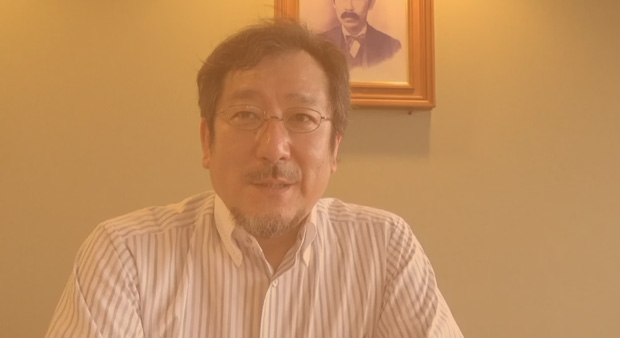
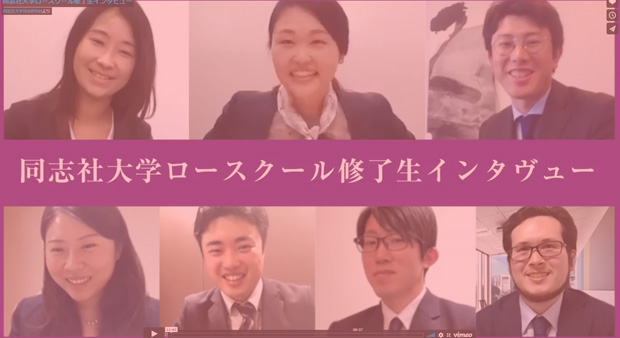
同志社大学ロースクール修了生インタビュー
from
同志社大学司法研究科
on
Vimeo
.
これまでに追加された動画
すべてが分かる!!
同志社ロースクール
入試説明会!
既修者必見!!
同志社ロースクール
入試問題解説会!
同志社大学ロースクール
修了生インタビュー
同志社大学ロースクール
科目紹介動画
大学関連インフォメーション
INFORMATION
同志社大学ホームページ
同志社大学
法学部ホームページ
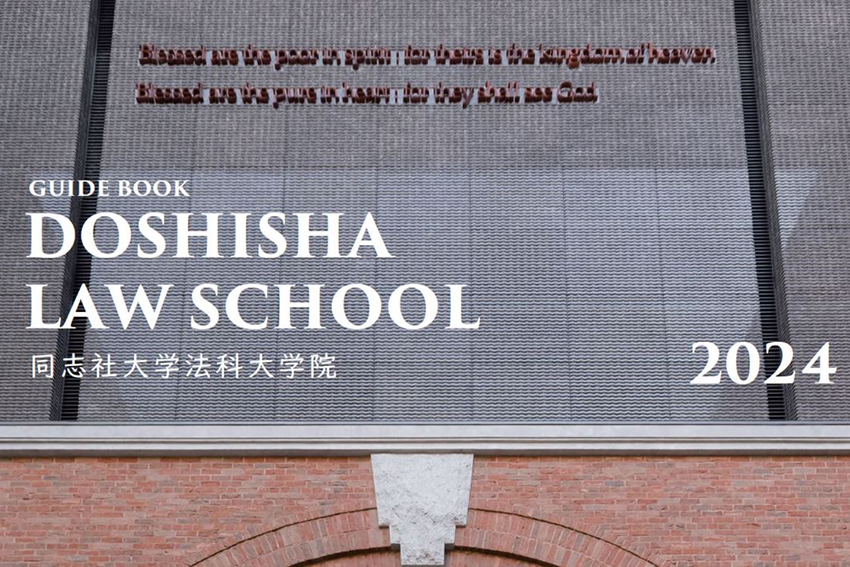
同志社大学法科大学院2024
デジタルパンフレット